An Gumupu Si Paluma?
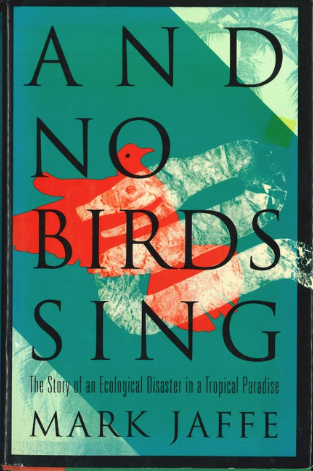
Northern Guam such as Litekyan were once the site of last remaining natural habitats for native avifauna. Recent waves of militarization such as Marine Corps. Base Camp Blaz add onto a long history of environmental degradation. Environmental journalist Mark Jaffe chronicles the demise of Guam’s native birds starting in the 1970s and captivates readers in the style of a mystery novel.
I bring your attention to this book to ask, how might our forests have sounded like in our parent’s and grandparent’s generation growing up? Now that the trees have been cleared, know too that the birds disapeared long before them. Below is one of the last recordings of the Chuguangguang (Guam Broadbill) along with the Ko’ko’ in the wild.
recommended start time: 1:30
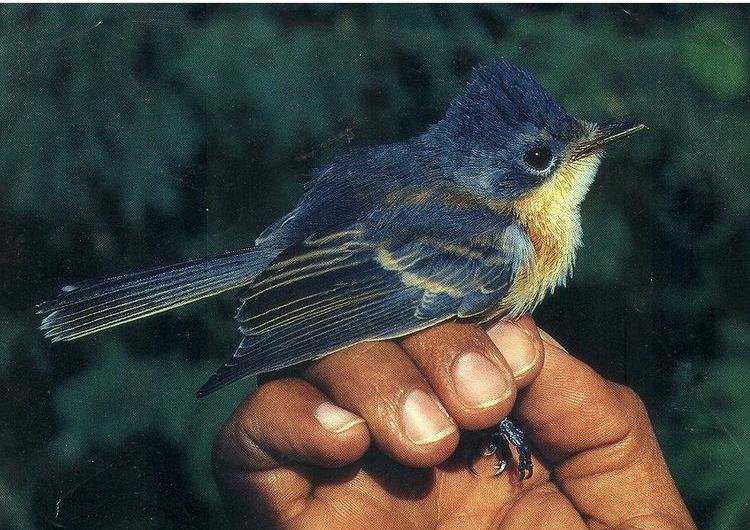
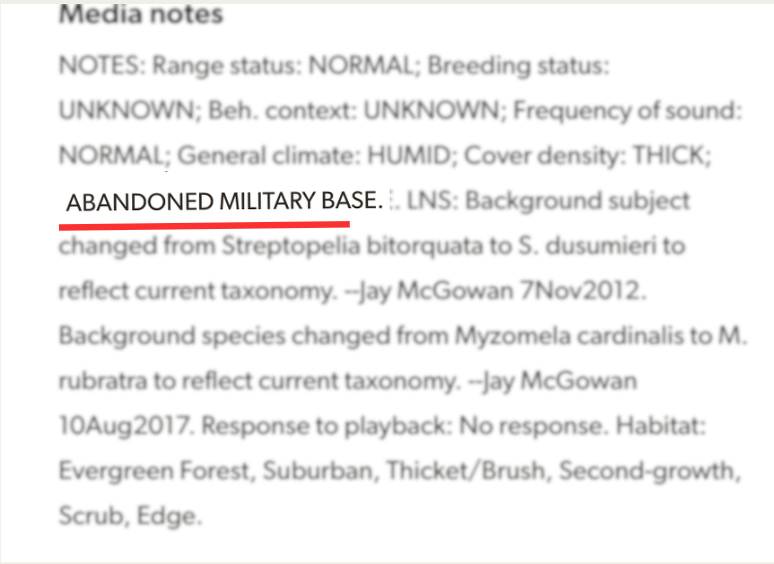
As H. Douglas Pratt remarks in his 1978 field recording, the simultaneous shrills from the ko'ko' and chuguangguang's bird call as are set against the backdrop of overflying aircraft.
the Chuguangguang (Guam Broadbill/flycatcher/Myiagra freycineti) was endemic to Guam, where it was once common but restricted to the northern plateau by the 1970s. (Jenkins 1983, Hume 2017)
An Gumupu si Paluma?
An Gumupu si Paluma?